

Few diagnoses carry as much fear as “heart failure.” But, according to Samit Shah, MD, Director of the Mechanical Circulatory Support Program at The Valley Hospital, the condition is more manageable (and more hopeful) than most patients realize.
Here, Dr. Shah offers helpful advice surrounding this topic, including symptoms, treatment options, and patients’ outcomes in the short and long term.
Listen to the Podcast
A shift in language, and in perspective
“Heart failure invokes a lot of anxiety,” Dr. Shah acknowledges. Many people assume the term means the heart has stopped working entirely. It does not. Heart failure simply means the heart is not pumping efficiently enough to meet the body's needs, or that it cannot relax well enough to fill properly between beats.
That is why Dr. Shah's program has intentionally shifted its terminology. “We talk about ourselves as being a heart failure recovery program. We’re helping people achieve the best possible outcomes in their quality of life,” he explains.
Also, the condition is far more common than many realize. Nearly 7 million Americans live with heart failure, and it’s one of the leading causes of hospitalization for adults over 65 – largely because people are living longer and surviving heart attacks that once would have been fatal, leaving lasting damage to heart function.
What causes heart failure?
The most common causes of heart failure include coronary artery disease, long-standing high blood pressure, heart valve abnormalities, and genetic conditions. Viral infections, certain chemotherapy medications, diabetes, and obesity can also contribute. “We will help to identify the cause and find out ways that we can help treat the condition and help people obtain their best possible life,” states Dr. Shah.
What are the common symptoms of heart failure?
Symptoms vary from person to person, but common experiences include fatigue, shortness of breath, and difficulty with everyday tasks like climbing stairs, gardening, or carrying groceries. Swelling in the legs or abdomen, difficulty lying flat, and shortness of breath while bending over are also frequent signs.
Needing extra pillows to breathe comfortably at night, or finding yourself sitting at the edge of the bed to catch your breath, are additional red flags. New or worsening symptoms that interfere with daily life warrant prompt medical evaluation.
Advances in treating heart failure
Modern heart failure care is built around what Dr. Shah calls the “four pillars” of medication: beta blockers, medications like Entresto that help blood vessels relax, spironolactone, and SGLT2 inhibitors such as Farxiga and Jardiance. The inhibitors were originally developed for diabetes but now proven beneficial for heart failure patients regardless of diabetes status.
Beyond medication, monitoring tools like CardioMEMS can detect fluid retention before symptoms become severe enough to require hospitalization. For patients with more advanced disease, devices like cardiac resynchronization therapy and Barostim therapy help the heart pump more efficiently.
Perhaps most remarkable is the left ventricular assist device, or LVAD. This is a technology Dr. Shah has helped bring to Valley for patients with severely weakened heart function, sometimes with an ejection fraction as low as 20%, compared to a normal range of 55-60%.
“This device can help someone's quality of life and their survival improve from a couple months or a year to equivalent to that of transplant, about eight to 10 years,” he shares. “It can help them return to a very functional life and be with their families.”
A team effort in managing your heart health
Heart failure management, Dr. Shah emphasizes, is a team sport. Care often involves primary care physicians, electrophysiologists, social workers, pharmacists, and surgeons, all working together to determine the best strategy for each patient. (Click here to meet Valley’s heart failure team.) For those with more advanced disease, options extend beyond medication to implantable defibrillators, cardiac contractility modulation devices, LVADs, and in some cases, heart transplantation.
The power of early intervention for heart failure
Dr. Shah's central message is one of hope paired with vigilance. “Heart failure is treatable,” he assures. Early diagnosis matters enormously, yet symptoms like shortness of breath are often dismissed as simply a sign of aging.
He also encourages patients to be active partners in their own care: taking medications as prescribed, monitoring weight and symptoms, and staying in close communication with their care team. Dr. Shah suggests patients regularly ask themselves:
- Am I able to do less than I was a year ago?
- Are my medications not being tolerated as well?
- Has my blood pressure dropped too low?
- Have I been told I have kidney or liver issues?
These can all be signs that the heart is struggling and that a patient may benefit from evaluation for more advanced therapies. “There are options available, even when patients may hear from others that there aren't. We would certainly find options that will help them achieve their goals and improve their outcomes as much as possible,” reinforces Dr. Shah.
If you or a loved one has questions about heart failure or heart health concerns, talk with your healthcare clinician. To learn more about heart failure care at Valley, visit ValleyHealth.com/HeartFailure.
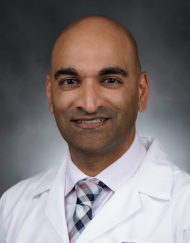
About the Author
Dr. Shah serves as the Medical Director of Mechanical Circulatory Support for The Valley Hospital. He practices at VMG Heart Failure Practice - Paramus.