

A Cleveland Clinic survey examined a nationally representative, general population of 1,000 Americans to determine how behaviors and external factors that people may not realize could be impacting their heart health.
The findings
According to the survey, 70% of Americans believe a person’s heart is in its best physical condition in their 20s and 30s, but 95% agree there are things people can do to reduce the risk of heart disease and prolong longevity.
The majority of Americans who believe that there are factors in their current stage of life they could change to reduce their risk of heart disease noted exercise and diet were the top two. Other factors identified included maintaining a healthy weight, getting regular medical check-ups, and managing stress.
Many Americans believe they have been more stressed, gotten less sleep, or have gained weight over the past decade; however, 84% said they have made at least one positive change in their health. Forty percent said they eat healthier, 32% see a doctor more regularly, 27% get more exercise, 26% lost weight, and 25% consume less alcohol.
Seventy two percent of Americans were confident in their ability to maintain their heart health as they age, while 63% were confident their current diet supports their heart health.
While 69% of Americans indicated they had at least one health factor or habit that can be attributed to an increased risk, nearly one-quarter of Americans were unsure if they had an increased risk of heart disease. This includes not knowing that a woman’s risk of heart disease increases after menopause (71%), that physical inactivity is a major risk factor (44%), that smoking greatly increases risk (34%), and that diabetes can increase risk (49%). Thirty-four percent of Americans were also unaware that regular exercise can help reduce the risk of heart disease, even in older adults.
Reduce your risk of heart disease
Knowing general risk factors of heart disease as well as your own personal risks is important when it comes to your heart health. It is equally as important to know how to take the steps to reduce your risk.
Here are some ways to educate yourself about risk factors:
- Speaking with your primary care physician or cardiologist
- Getting your blood pressure checked regularly to understand your average levels and what would be considered out of normal range
- Learn more about a heart-healthy diet and exercise plan, and how these changes reduce your risk for disease
Assessing your risk of heart disease starts by scheduling an appointment with a cardiologist. You should consider seeing a cardiologist if you are experiencing any of the following:
- Palpitations – racing, fluttering, or pounding heart
- Chest pain or discomfort
- Shortness of breath
- Dizziness or fainting
- High blood pressure
- Chronic fatigue
- A family history of heart disease
To learn more about heart care at Valley, please visit ValleyHealth.com/Heart.
About the Author
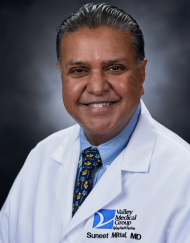
Dr. Suneet Mittal is the Chair of the Cardiovascular Service Line for Valley Health System.


