

Living with heart failure can make even simple activities like climbing stairs or walking a block feel challenging. For patients whose symptoms are not well-managed with medication alone, Valley offers Barostim™ Baroreflex Activation Therapy, an innovative treatment designed to improve symptoms, restore daily function and help patients reclaim their quality of life.
What is Barostim Baroreflex Activation Therapy?
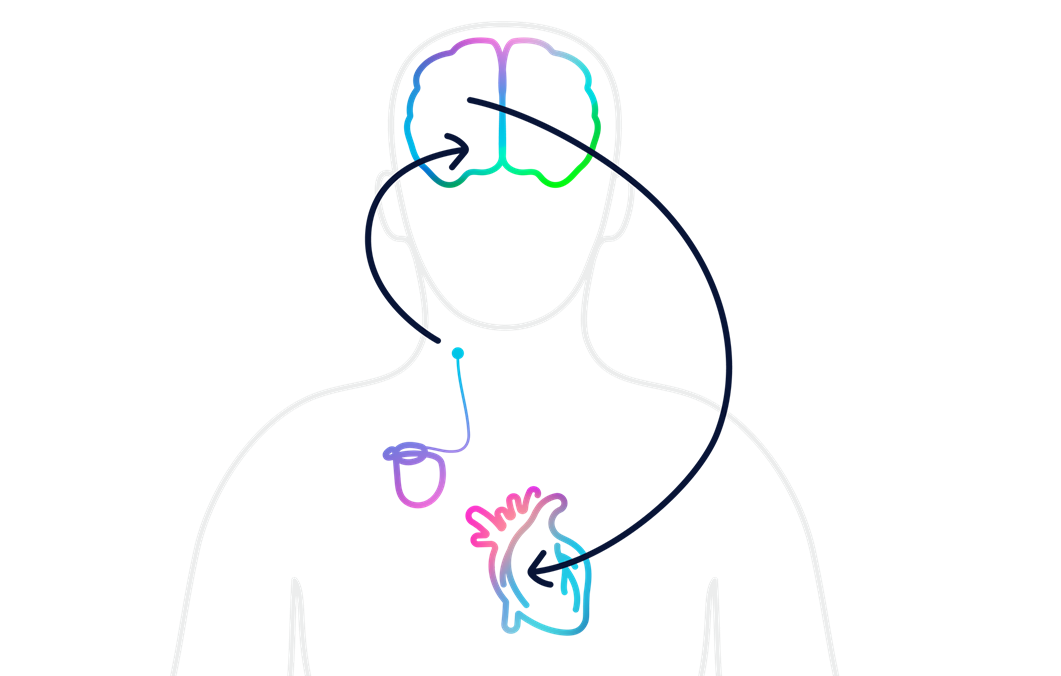
In patients with heart failure, the heart struggles to pump blood effectively. This causes sensors on the carotid artery, called baroceptors, to send fewer signals to the brain. As a result, a stress response is triggered that forces the heart to work harder and, over time, worsens the symptoms of heart failure.
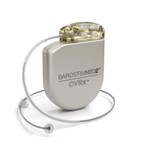
Barostim is a minimally invasive, implantable device that delivers gentle electrical pulses to the baroreceptors. This increases the signals to the brain, which reduces the stress response and improves heart failure symptoms.
The Barostim implant is placed under the skin just below the collar bone, typically on the right side of the chest. Unlike pacemakers or ICDs, there are no leads placed into the heart or veins. Instead, a thin wire is connected to the carotid artery through a small incision in the neck.
Benefits of Barostim Therapy
Barostim device therapy has been shown to help patients experience significant improvements in their heart failure symptoms, including:
- Reduced shortness of breath with exertion
- Improved walking distance and endurance
- Enhanced quality of life and daily function
By addressing nervous system imbalance rather than the heart muscle alone, Barostim offers a unique approach to improving how patients with heart failure function in their daily lives.
Am I a Candidate for Barostim Therapy?
Barostim therapy may be right for you if:
- You have mild to moderate heart failure (class II or III) and remain symptomatic despite optimal medication therapy
- You have an ejection fraction (a measurement of the heart’s pumping efficiency) of less than 35%
- The results of your NT-proBNP blood test (a measurement of a hormone released by the heart when under stress) are within an acceptable range
What to Expect with Barostim Therapy at Valley
At Valley’s Advanced Heart Failure and Recovery Program, your care team will first meet with you to determine if you are a candidate for Barostim therapy. This includes reviewing your symptoms and medical history, as well as performing several diagnostic tests including an echocardiogram, EKG, ultrasound of the carotid artery and blood tests. If you are eligible, you will be referred to both a vascular surgeon and an electrophysiologist, who will work together to perform the procedure.
The Barostim procedure is completed as an outpatient surgery, and patients typically go home the same day.
Recovering from Surgery and Follow-Up Care
After surgery, most patients are able to return to routine, non-strenuous activities within 72 hours. You will then have a series of follow-up visits where the device settings will be gradually adjusted. Over several weeks, the signal strength is increased to a level that is both effective and well tolerated. Once optimal settings are reached, ongoing follow-up focuses on monitoring symptom improvement and functional gains, which may include walking tests or cardiopulmonary exercise testing.
Why Choose Valley for Barostim Baroreflex Activation Therapy?
- Team-based, collaborative care: Barostim therapy at Valley is delivered through a coordinated, multidisciplinary approach that may include your referring cardiologist, heart failure cardiologist, electrophysiologist, vascular surgeon and other specialists who work together to determine the best treatment plan for you.
- Comprehensive heart failure care: Our heart failure team gets a complete picture of your symptoms and the problem that causes them. We help you manage your symptoms with a wide range of treatment options.
- Ongoing care: Our heart failure specialists regularly monitor your progress with Barostim therapy. We also work with you to adjust your overall care plan, depending on your symptoms and personal preferences.


