

Cardiovascular diseases are the leading cause of death globally according to the World Health Organization. Yet, many cardiovascular events are preventable. Preventive cardiology focuses on identifying and managing your cardiovascular risk factors early, in order to prevent the onset of heart disease. At Valley Medical Group, the Lipids and Cardiometabolic Disease Program is designed to do just that: help patients take proactive steps to control their heart health through comprehensive risk assessment and personalized care.
What is preventive cardiology?
Preventive cardiology is the practice of evaluating and managing cardiovascular risk factors to prevent the onset or progression of heart disease. Instead of waiting for symptoms or a cardiac event to occur, preventive cardiology looks at a patient’s entire health profile to determine both short- and long-term cardiovascular risk.
While lifestyle choices such as diet, exercise, and smoking play a role, many people develop cardiovascular disease due to genetics or underlying conditions. Common risk factors may include obesity, high cholesterol, diabetes, and high blood pressure.
Heart screening is a key recommendation when it comes to preventive cardiology.
When should I get a heart screening?
Some patients may already have certain risk factors and family history, so it is recommended to get your first heart screening at a relatively early age – in your 20s and 30s – to get a baseline understanding of your cardiovascular risk.
Your risk assessment will provide the following details, such as:
- Cholesterol – a waxy, fat-like substance in your body that is essential for building cells, making hormones, and aiding in digestion, but too much can lead to problems
- Lipoproteins – a complex particle made up of fat (lipids) and protein that helps carry cholesterol and triglycerides through the body
- Triglycerides – the main type of fat in your body that stores energy
- Hemoglobin A1c – a blood test showing our average blood sugar and a marker for diabetes
- Body mass index (BMI) – a screening tool that uses your height and weight to estimate body fat
- Blood pressure – the force of blood pushing against your artery walls
These measurements help your care team determine both current and future cardiovascular risk, including heart attack and stroke.
Valley’s Lipids and Cardiometabolic Disease Program
The Lipids and Cardiometabolic Disease Program is a comprehensive initiative focused on preventing cardiovascular disease.
Cardiometabolic disease encompasses a group of conditions that significantly increase the risk of developing cardiovascular disease. These include high blood pressure (hypertension); high cholesterol, including LDL, triglycerides, and lipoprotein(a); insulin resistance and diabetes; and obesity. Lipids, which play an essential role in biological processes, are key targets for cardiovascular prevention and treatment.
As part of the program, patients undergo a comprehensive risk-factor assessment. Based on the findings, they may be prescribed medications to manage risk factors and receive guidance on lifestyle modifications. In addition to traditional treatment approaches, the program offers therapeutics that help control cardiovascular risk.
These new therapies include RNA interference therapies, which use synthetic, double-stranded RNA molecules to prevent the production of disease-causing proteins. This treatment can reduce low-density lipoprotein (LDL), commonly known as “bad” cholesterol. GLP-1 medications, to help lower blood sugar levels and promote weight loss, may also be prescribed, as clinical trials have shown they not only help in weight loss, but also in the reduction of cardiovascular disease.
The program is highly individualized – not every patient receives the same treatment, and care plans are tailored to what each person truly needs to reduce their cardiovascular risk. The team takes the time to understand each patient beyond the numbers, creating a plan that reflects their health history, genetics, lifestyle, and personal goals.
Preventive cardiology takes a much deeper dive into a patient’s risk profile long before a cardiac event occurs. The program offers a direct, comprehensive approach with a clear goal: prevent heart attack and stroke.
Take the first step toward prevention
Preventive cardiology is about acting early, staying informed, and taking control of your heart health. Whether you have known risk factors or want a clearer picture of your cardiovascular health, Valley’s Lipids and Cardiometabolic Disease Program offers personalized care focused on prevention.
To learn more or to request an appointment, click here.
About the Author
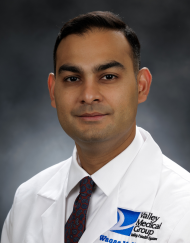
Dr. Waqas Malick is the Director of the Lipids and Cardiometabolic Disease Program for Valley Medical Group.


