


Breast cancer remains one of the most common cancers affecting women in the United States, making regular screening and early detection more important than ever.
Early detection begins with screening
Breast cancer occurs when cells in the breast grow abnormally and multiply uncontrollably, forming a tumor that can invade surrounding tissue or spread to other parts of the body. It is the second most common cancer and the second leading cause of cancer-related death among women in the United States according to the Centers for Disease Control and Prevention (CDC).
While not all cases can be prevented, early detection through routine screening can significantly improve outcomes and increase treatment options.
One of the most effective tools for early detection is a mammogram, a low-dose X-ray of the breast used to identify signs of breast cancer before symptoms develop. Mammograms can detect cancers that are too small to be felt during a breast self-exam or clinical examination, often finding disease at an earlier stage when treatment is most effective.
Women at average risk for breast cancer are generally recommended to begin annual screening mammograms at age 40.
"Regular mammograms are an essential part of your overall health and wellness and an important tool for detecting breast cancer before symptoms develop, when treatment is often most effective and the chances of cure are highest," said Elina Zaretsky, MD, Director of Breast Imaging at The Valley Hospital.
Because breast cancer may not cause symptoms in its earliest stages, screening plays a critical role in protecting long-term health. Early detection can be associated with improved outcomes and higher survival rates compared with cancers diagnosed after they have grown or spread.
Women with a family history of breast cancer, dense breast tissue, or other risk factors should discuss their individual screening needs with their healthcare clinician.
The Valley approach to breast cancer screening
At the Valley Breast Center, patients have access to advanced breast imaging technology and a comprehensive approach to breast health.
Designated as a Breast Imaging Center of Excellence by the American College of Radiology, the Valley Breast Center offers:
- Screening 3D mammography
- Breast ultrasound
- Breast magnetic resonance imaging (MRI)
- The SmartCurve™ Breast Stabilization System, which is clinically proven to provide a more comfortable mammography experience without compromising image quality
- Same-day screening appointments
- Results interpreted by board-certified, fellowship-trained breast imaging radiologists
- The opportunity to build lasting relationships with their breast imaging care team
For women at increased risk of breast cancer or those with dense breasts, Valley also offers a comprehensive high-risk screening program that may include supplemental imaging such as breast MRI.
Coordinated care if breast cancer is detected
If cancer is detected, the team provides seamless access to a multidisciplinary team that includes:
- Breast surgeons
- Medical oncologists
- Radiation oncologists
- Genetic counselors
- and more
This collaborative approach ensures patients receive comprehensive, personalized care and support throughout every stage of their journey.
"Breast cancer screening is one of the most important steps women can take for their health," said Dr. Zaretsky. "Making time for an annual mammogram can help detect breast cancer early, when treatment options are often most effective."
Prioritize your breast health
Valley offers online scheduling for screening mammograms at locations in:
To learn more or schedule an appointment, visit ValleyHealth.com/Mammography. Mammograms require a physician's prescription.
About the Author
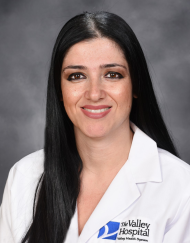
Elina Zaretsky, MD
Dr. Zaretsky serves as Director of Breast Imaging at The Valley Hospital.


