


Recovery Month, recognized each September, reminds us that seeking help is a sign of strength, not weakness. Yet many misconceptions about substance use treatment prevent people from taking the first step toward recovery. One of the most common areas of misunderstanding is withdrawal management, often referred to as detox.
The truth is that recovery is a journey, and withdrawal management can play an important role in helping individuals begin that journey safely. Let's take a closer look at five common myths and the truth behind them.
Myth #1: You need to reach rock bottom before seeking help
Many people believe that someone must lose everything before treatment for substance abuse disorder can be effective. The truth is there’s no "right" time to seek support.
The earlier someone reaches out for help; the more options may be available to them. Substance use disorders exist on a spectrum, and intervention at any stage can make a meaningful difference. Whether someone is experiencing early concerns, increasing health impacts, or significant disruptions in daily life, it is never too soon to seek professional guidance.
Recovery begins when a person decides they are ready for change.
Myth #2: Withdrawal management is the same as recovery
Withdrawal management is often viewed as a complete solution, but it is actually the first step in a larger process.
The purpose of withdrawal management is to help individuals safely manage the physical symptoms that can occur when alcohol or drugs are discontinued. While this important stage can help stabilize a person's health and prepare them for next steps, recovery extends far beyond the withdrawal management process.
Long-term recovery may involve counseling, behavioral therapies, peer support, family involvement, and ongoing medical care. Withdrawal management addresses immediate physical needs, while continued treatment and support help individuals build a sustainable foundation for recovery.
Myth #3: Anyone can detox safely at home
Depending on the substance involved, withdrawal symptoms can range from uncomfortable to requiring medical support. Symptoms may include severe anxiety, dehydration, seizures, heart complications, or other medical concerns that require monitoring and intervention.
Valley’s Recovery and Wellness Unit provides medical assessment, symptom management, and clinical support to help ensure safety and comfort throughout the process. For many individuals, supervised care can significantly reduce risks and create a more stable start to recovery.
Myth #4: Relapse means treatment failed
Recovery is rarely a straight line. Like many chronic health conditions, recovery can involve setbacks along the way.
A return to substance use does not mean a person has failed or that treatment was ineffective. Instead, it may indicate that additional support, different strategies, or adjustments to a treatment plan are needed.
Each recovery journey is unique. Many individuals who achieve long-term recovery have experienced challenges and setbacks before reaching greater stability. What matters most is continuing to seek support and re-engage with care when needed.
Myth #5: People recover on willpower alone
One of the most persistent myths is that overcoming substance use disorders is simply a matter of determination.
In reality, substance use disorders are complex health conditions influenced by biological, psychological, social, and environmental factors. While personal commitment plays an important role, recovery is often strengthened by professional treatment, supportive relationships, peer connections, and access to community resources.
No one should feel they need to face recovery alone. Support systems exist because recovery is most successful when people are connected to care, resources, and encouragement.
Take the first step toward recovery
This Recovery Month, it is important to recognize that recovery is possible.
If you or someone you know is struggling with substance use, help is available. Please call 201-612-4949 and a member of Valley’s Wellness and Recovery Unit will work with you to facilitate care.
About the Author
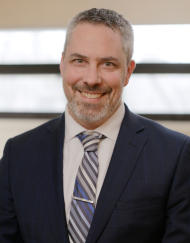
Christopher Rusk, LSW, LCADC
Christopher Rusk is the Manager of Valley Health System's Inpatient Recovery and Wellness Unit.


