

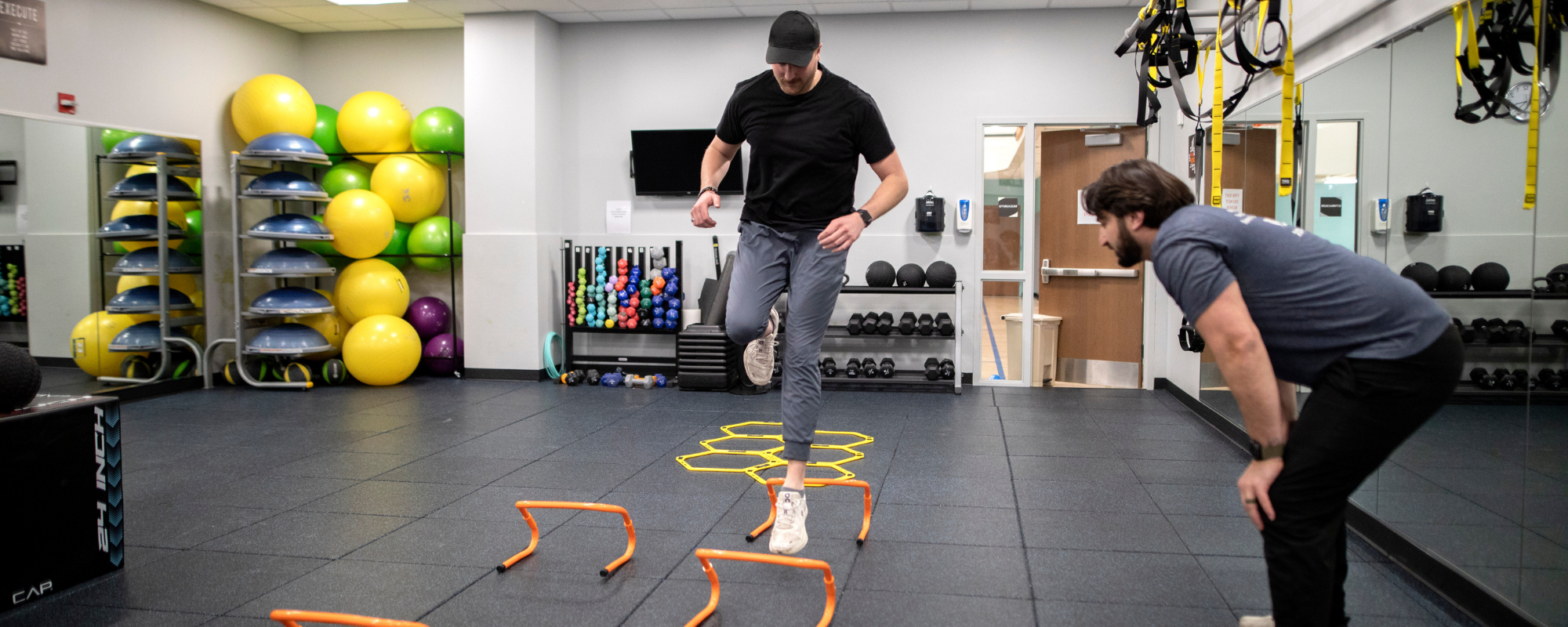
Valley Health System’s progressive Return to Sport Program focuses on rehabilitating high-performance athletes following a sports injury so they can resume competitive play. Injuries include muscle, tendon, or joint injuries, sport-related concussion, or delayed recovery after surgery.
The program features personalized protocols beyond standard physical therapy – including sport-specific movements – using a gradual, progressive approach within a dedicated sport rehab environment. The sports physician periodically attends each athlete’s physical therapy sessions to further assess for issues and to help make return-to-play decisions. This provides a successful structure for an athlete to make a safe, effective comeback to their sport.
The Report to Sport Program is based at Valley Health LifeStyles at the Valley Center for Health and Fitness in Mahwah, NJ.
The Valley Approach to Return to Sport
Athletes who engage in sports at a high level of training and challenging competition require an equally high level of rehabilitation, recovery strategies, and step-by-step preparation to return to their sport at a peak performance level.
Valley’s Return to Sport Program brings together the expertise of physicians who are dual board-certified in physical medicine and rehabilitation (physiatry) and sports medicine, physical therapists with extensive experience in sports rehabilitation, and athletic trainers.
The team develops a personalized therapy plan for each patient focused on the athlete’s specific injury, their goals, schedule, and the steps needed to return to health and wellness.
The Return to Sport team collaborates with each patient’s entire healthcare team to ensure transparent real-time communication, seamless rehabilitation, and follow-up services.
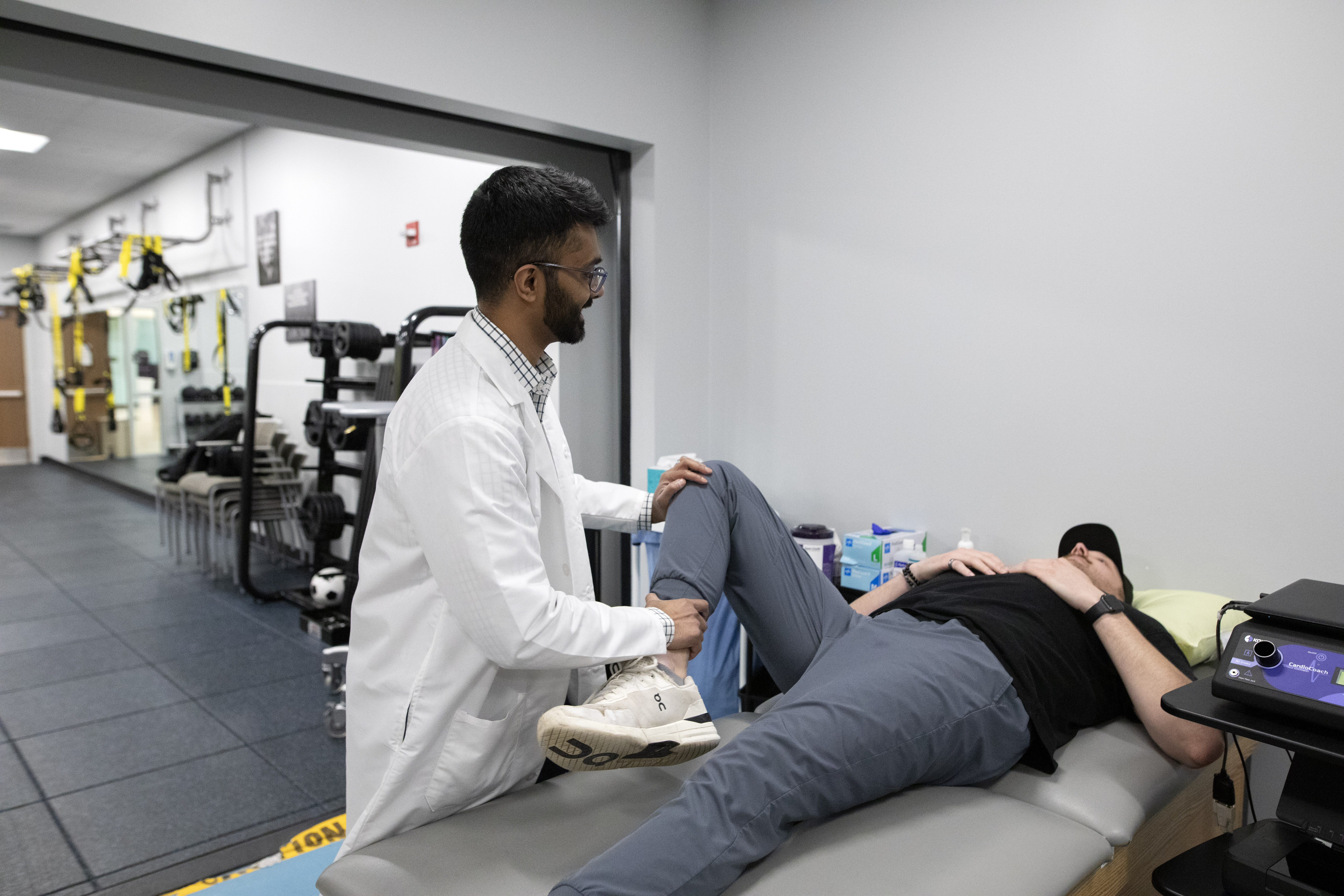
Valley’s Return to Sport Protocol
Our Patients
The Return to Sport Program cares for athletes age 14 and older with sports injuries. This includes athletes who play for high school and collegiate sports, club teams, professional teams, or those who engage in recreational sports. Treated injuries include:
- Overuse injuries
- Tendinitis
- Sprains
- Dislocations
- Concussions
- Contusions
- Muscle tears
- Delayed return to sport after surgical intervention
Key Components of a Successful Return to Sport Protocol
The Return to Sport Program comprises several components to ensure athletes are prepared to resume their sport and to prevent future injuries or re-injuries:
- Functional evaluation of basic and complex movements
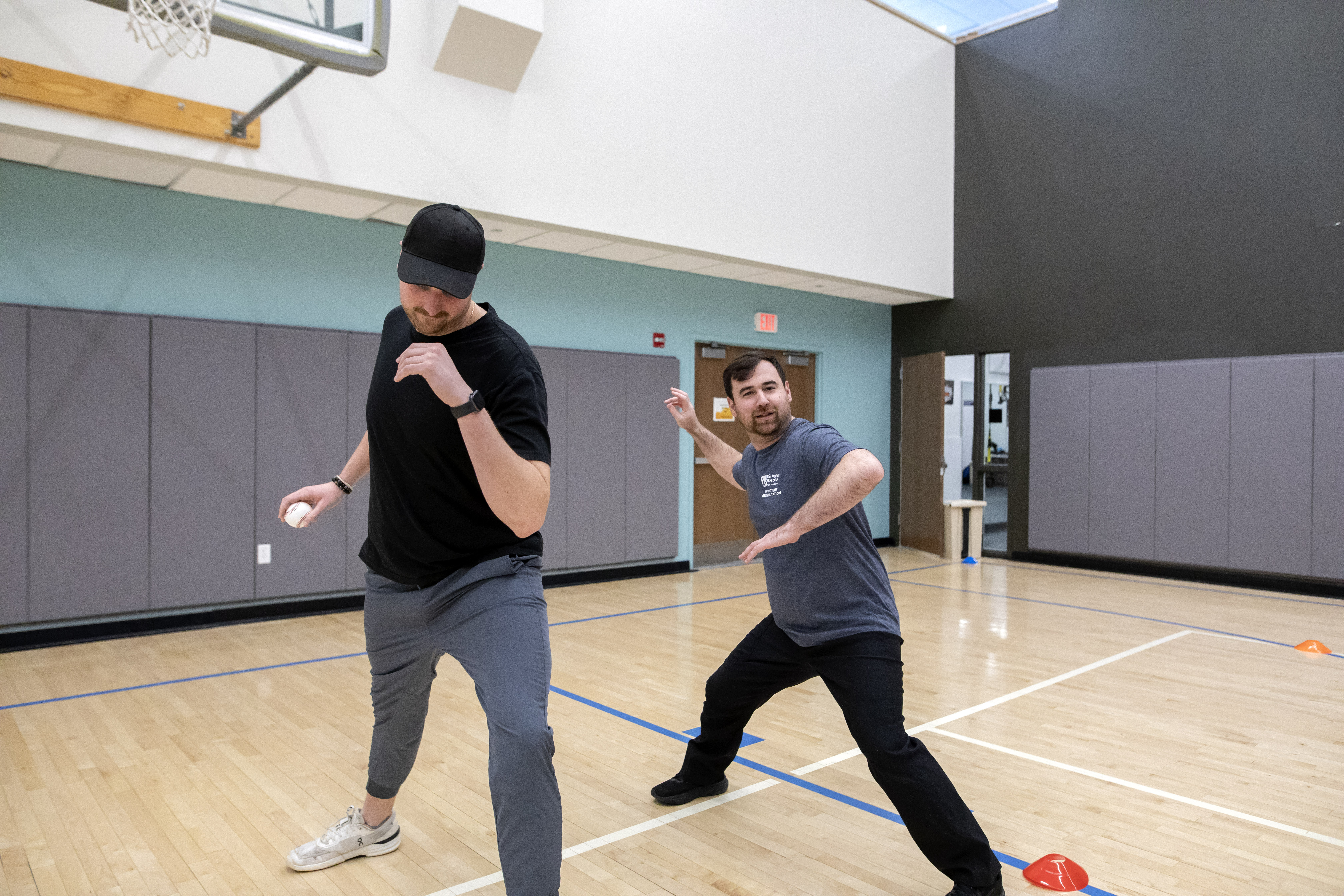
- Advanced sport-specific protocols at LifeStyles and at-home exercises that mimic the athlete’s movements during play, using physical exertion and simulated game time
- The use of neurodynamics – communication between different parts of the patient’s nervous system and their musculoskeletal system – to relieve pain
- Psychological support that builds confidence and reduces issues that affect a safe return to sport, including anxiety, sleep disturbances, distracted focus, poor decision-making, and physical healing
- Prevention education and exercises to reduce the risk of overconfidence and re-injuries
Regular consultations with the physician during therapy sessions to assess progress and make changes to the protocol’s steps, if necessary
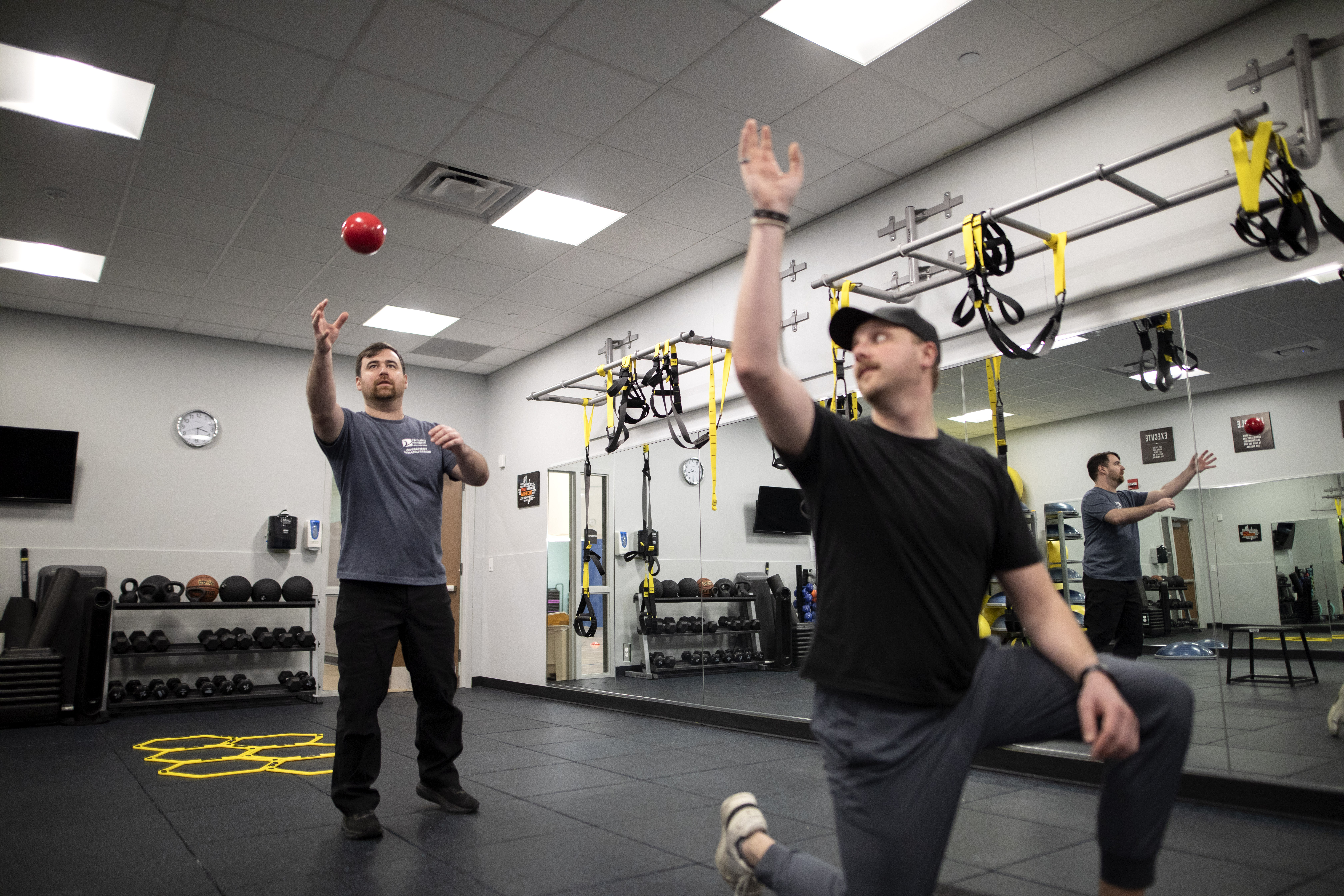
The Role of Physical Therapy in Sport Rehabilitation
- Focuses on helping athletes recover through advanced physical therapy strategies
- Aims to restore physical function after injury
- Works to relieve pain
- Builds strength, flexibility, range of motion, and overall fitness
- Supports both physical and psychological readiness to return to play
- Uses a gradual, step-by-step rehabilitation program
- Incorporates sport-specific movements into recovery
- Simulates game-time conditions to prepare athletes for return to play
Return to Sport Evaluation
New patients are initially evaluated in the office by a sports physician. Parents are encouraged to join the student-athlete for this initial consultation and for subsequent visits with the physician throughout the program. The physiatrist functions as the patient’s recovery gatekeeper in understanding the human body and its mechanics and for directing all therapy. Patients are encouraged to participate in decision-making about their therapy and treatment goals.
Baseline testing takes place at LifeStyles or at Valley’s Montvale or Ridgewood campuses. Patients should dress comfortably and expect to be here for at least one hour for their initial evaluation. The team uses BTE PrimusRS and Biodex isokinetic testing, which gives a complete objective assessment of every athlete’s current capabilities and what is required to get them back to peak performance. Testing examines each athlete’s:
- Functioning movements
- Posture
- Balance
- Strength
- Stability
- Soft tissues
- Pain
- Psychological factors
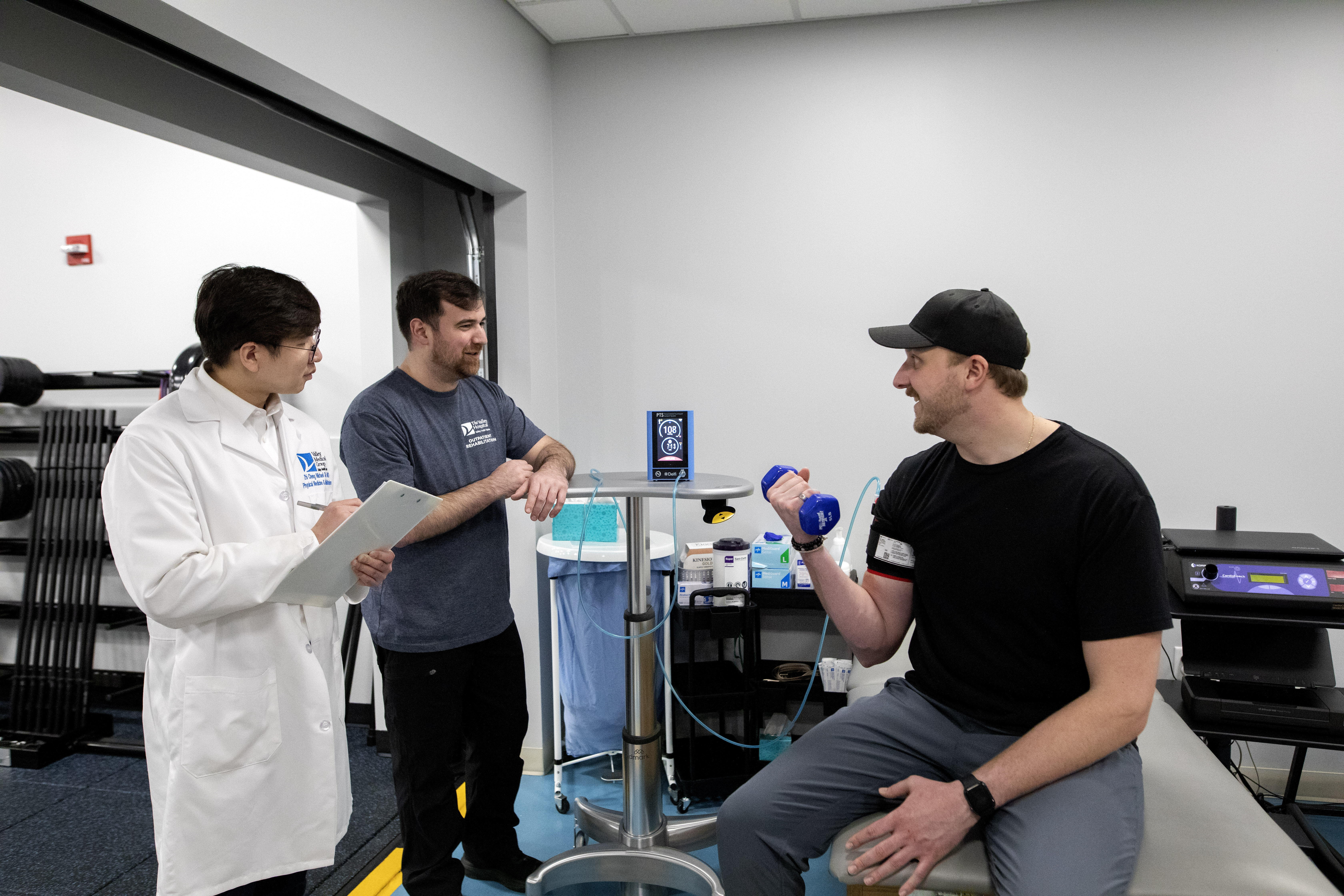
Monitoring Athletic Progress
Each athlete will be followed regularly by their physician during therapy to further assess progress and make any recommendations along with the physical therapist. Parents are encouraged to join their student-athletes for these visits. Athletes are periodically reassessed to track performance compared to the baseline. This helps the physical therapists understand areas that have experienced improvements and those that are still deficient to further guide therapy.
Returning to Sport
In order for an athlete to return to their sport and full game participation, they must be pain-free through all practice motions at full speed without negative feedback or symptoms for a sustained period. Return to play is guided by the physical therapist and physician. Athletes are still monitored after their return to ensure a safe transition back to full performance.
Why Choose Valley to Return to Sport?
- Expertise and experience: Our board-certified physiatrists and physical therapists have completed specialized training and certifications in sports medicine. They have experience in rehabilitating high-performance athletes at all levels of play, including high school, college, club sports, professional teams, and adults who perform at peak performance in team and individual sports or in coaching. Our physiatrists have acted as team physicians for a variety of high school, collegiate, and professional teams.
- World-class facility: The program takes place within a private environment at Valley Health LifeStyles Fitness Center, featuring the most advanced diagnostic testing and treatment technology and comfortable amenities.
- Comfort and compassion: At each visit, patients are greeted with compassion and understanding to help them reach their goals and return to their sport.
- Collaboration with parents and medical specialists: Parents can trust their athlete’s rehabilitation and medical care to the Return to Sport team. The team collaborates in real time with parents and other medical specialists in making any necessary adjustments to the program’s steps.
- Experience with adaptive athletes: Valley’s specialists have experience and comfort treating patients with disabilities. Adaptive athletes may be prone to greater risk of injury, and intervention by a sports medicine specialist may be necessary at times.


