

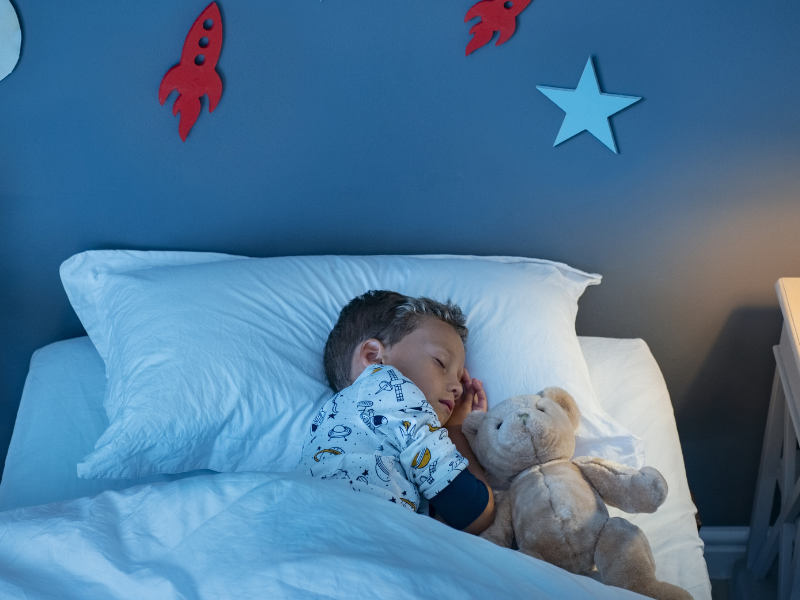
As winter approaches and daylight hours become shorter, many parents notice changes in their child's routine. Getting up for school may become more difficult, bedtime can be a struggle, and some children seem more tired, emotional, or distracted during the day. While seasonal changes can influence sleep patterns, knowing what's typical and what may require attention can help keep children healthy throughout the winter months.
Why do children seem to have a harder time waking up during the winter?
Our bodies rely on light exposure to help regulate sleep and wake cycles. On the one hand, thanks to the return to standard time, most of our kids can now wake up with sunrise, thus allowing them to stand safely at the bus stop and complete daylight while soaking up some early morning rays. On the other hand the total amount of daylight has lessened, overall making some children feel more sluggish than usual.
Can the change in seasons affect a child's behavior?
Yes. When children aren't getting enough quality sleep, parents may notice more than just tiredness. Some children become irritable, have difficulty focusing, seem less motivated, or struggle to manage their emotions. Younger children may appear more restless, while older children and teens may complain of feeling exhausted throughout the day.
Limiting holiday sweets can also help children maintain better sleep, steadier energy levels, and overall well-being, as excess sugar intake may contribute to sleep disruptions, mood fluctuations, and unhealthy eating habits during the festive season.
What sleep habits tend to slip during the winter months?
Winter often brings changes to daily routines. Holiday events, school breaks, travel, and increased screen time can all interfere with healthy sleep habits. Children thrive on stability and as schedules become less predictable, bedtimes may shift later, making it harder for children to get the sleep they need. Staying on a schedule will help provide the necessary structure children seek.
How much sleep do children need?
Sleep needs vary by age, but most school-aged children and teenagers require significantly more sleep than they actually get. Elementary school-age children need 10 - 13 hours of sleep, and teens need at least 9 hours of sleep. Consistent, restorative sleep supports growth, learning, mood, immune function, and overall health.
What can parents do to encourage better sleep?
A few simple strategies can make a big difference:
- Keep bedtime and wake-up times consistent, even on weekends.
- Encourage outdoor activity and natural daylight exposure whenever possible.
- Create a relaxing bedtime routine that helps children wind down.
- Limit the use of phones, tablets, and other screens before bed.
- Make sure bedrooms are quiet, dark, and comfortable for sleeping.
- Avoid caffeine-containing beverages, especially later in the day.
When should parents seek medical advice?
Occasional tiredness is expected, especially during busy times of the year. However, parents should speak with their child’s pediatrician or a sleep specialist if a child regularly struggles to wake up, falls asleep during the day, snores loudly, experiences pauses in breathing during sleep, or if fatigue begins to affect school performance, activities, or overall well-being.
Supporting healthy sleep this winter
The colder, darker months can present unique challenges for children and families, but healthy sleep habits can help children stay energized, focused, and resilient throughout the season. If your child is experiencing ongoing sleep concerns or daytime exhaustion, please visit ValleyHealth.com/Sleep to learn more about sleep health and connect with a specialist.

About the Author
Dr. Lewis Kass serves as the Medical Director of Pediatric Pulmonary and Sleep Medicine for Valley Medical Group.


