
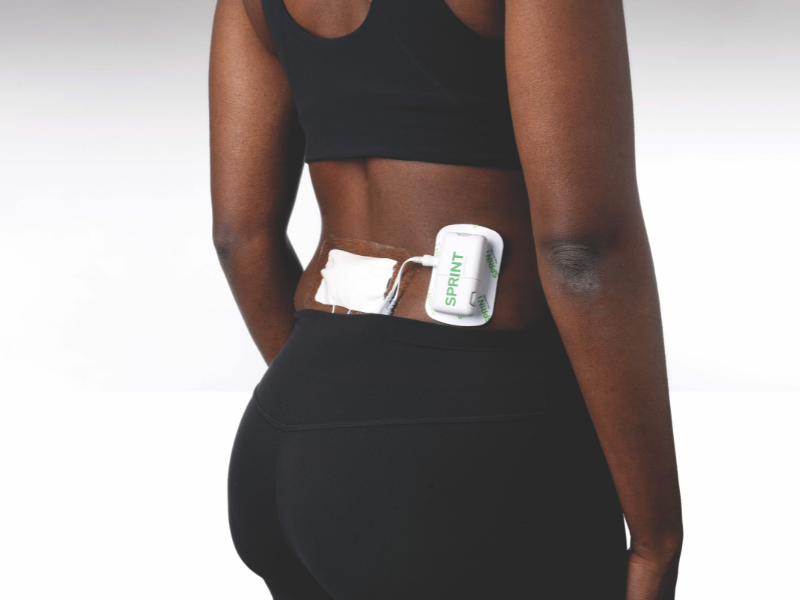
For patients seeking a minimally invasive option for chronic pain management, Valley offers the Sprint® PNS System. This peripheral nerve stimulation (PNS) treatment is designed to help relieve chronic neck, back, shoulder, knee, and other joint pain, helping patients safely reduce pain, improve function, and regain quality of life.
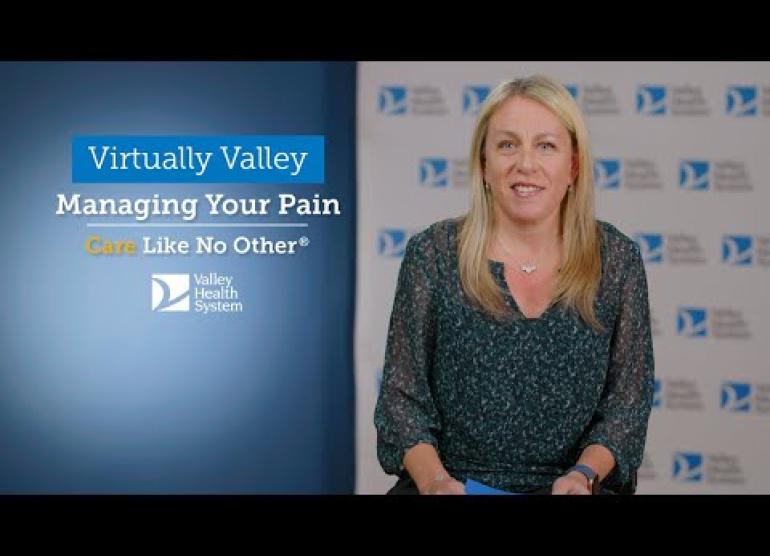
Below, Uzma Parvez, MD, Director of the Pain Management Center for Valley Medical Group, answers common questions about Sprint PNS treatment and what patients can expect from the procedure.
Who may benefit from the Sprint PNS System?
Patients whose pain has persisted despite first-line treatments – including medication, physical therapy, injections, acupuncture, massage, muscle relaxants, and other non-surgical therapies – may be good candidates for the Sprint PNS System. This treatment may also benefit patients who want to avoid long-term opioid use or surgery.
How does peripheral nerve stimulation work?
Sprint treatment uses a peripheral nerve stimulation device with a thin wire, called a lead, that is placed near the nerve causing pain. The nerve stimulator implant delivers gentle electrical signals that help interrupt pain signals before they reach the brain. The procedure is designed to calm the affected nerve and help retrain the nervous system’s response to pain.
The peripheral nerve stimulation device is typically used for 60 days. Many patients experience pain reduction within days of treatment, and some continue to experience lasting relief even after the device is removed.
What can I expect during treatment?
Offered through the Valley Pain Management Center, the Sprint procedure is performed in a pain management procedure room and typically takes about five to 10 minutes. Patients remain awake during the procedure.
After the skin is numbed with a local anesthetic, the lead is placed near the targeted nerve. Patients can return home shortly afterward with instructions on how to use the device.
Some patients may experience temporary soreness or discomfort at the insertion site, but recovery is generally quick and considerably easier than more invasive pain treatments.
What are the benefits of Sprint treatment?
Sprint treatment may help patients:
- Reduce chronic pain
- Improve daily function and quality of life
- Decrease reliance on pain medication
- Avoid more invasive procedures or surgery
- Experience continued relief after treatment is completed
Does insurance cover Sprint treatment?
Sprint treatment is covered by Medicare. Patients are encouraged to verify coverage and benefits with their insurance provider and speak with their physician to determine if Sprint treatment is right for them.
To schedule an appointment to see whether Sprint may be right for you, or to learn more about pain management options at Valley, please call 201-634-5555.

About the Author
Dr. Parvez is Director of the Pain Management Center for Valley Medical Group.